
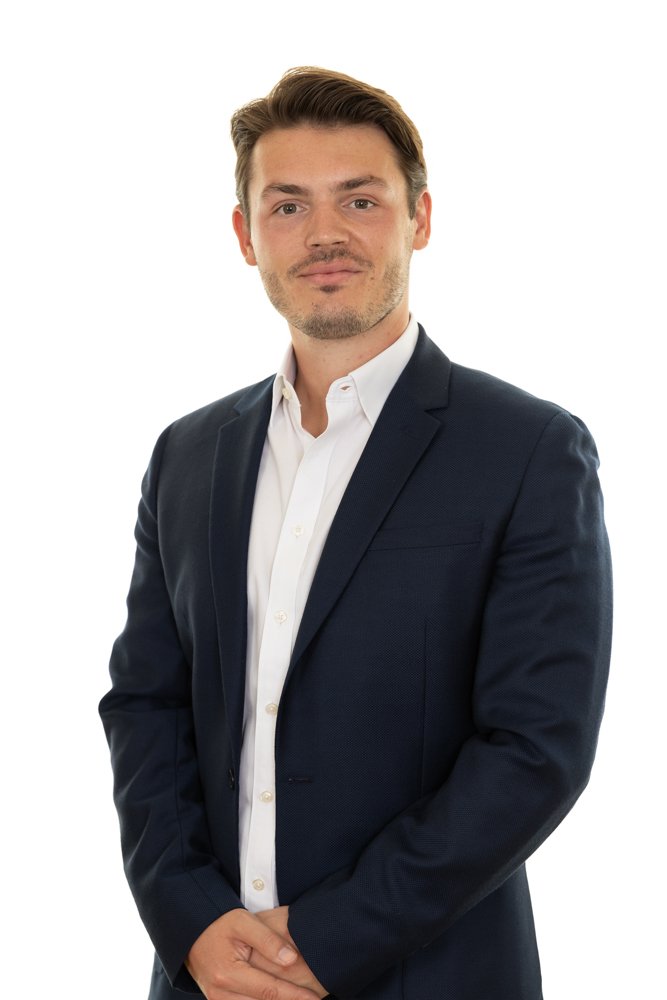
When I reviewed my work at the end of 2025, one thing stood out straight away.
Headshot photography was up by around 20 per cent.
That surprised me slightly, given how often I hear that AI headshots are about to replace professional photographers. If that were happening in any meaningful way, I’d expect demand to be dropping.
I’m seeing the opposite.
For the businesses I work with, professional headshots haven’t become less important — they’ve become more deliberate.
A Professional Headshot Is Often the First Human Interaction
In many cases, a headshot is the first time someone “meets” a person at a company.
Before the call.
Before the meeting.
Before any real interaction at all.
Professional headshots appear everywhere: company websites, LinkedIn profiles, proposals, press releases, internal directories. Long before a conversation happens, that image is already shaping an impression.
It quietly answers questions like: Who am I dealing with? Do they feel credible? Can I trust them?
That has very little to do with glamour and a lot to do with reassurance.
Headshot Photography Is Branding (Whether You Plan It or Not)
I often see headshots treated as an admin task — something to tick off a list.
But whether a business intends it or not, headshot photography plays a big role in branding.
When a set of professional headshots feels consistent and well thought out, it reflects care and coherence. When they’re mismatched, outdated, or obviously artificial, that sends a message too.
Logos and colour palettes matter, but faces do a huge amount of brand work — often more than people realise.
Honest Headshots Build More Trust Than “Perfect” Ones
The headshots I see used most — the ones that actually last — are rarely the most stylised.
They’re the ones where the person still looks like themselves.
People are very good at spotting when something feels off, even if they can’t explain why. Over-smoothed skin, strange lighting, overly generic expressions — all of that introduces a small amount of doubt.
Trust doesn’t come from perfection.
It comes from familiarity.
My aim with professional headshot photography is never to reinvent someone. It’s to show them as they are, on a good, normal day.
Why AI Headshots Haven’t Replaced Professional Photography (For Me)
AI headshot software is impressive, and I understand why it appeals. It promises speed, consistency and lower cost.
In practice, it hasn’t had any noticeable impact on my work.
One reason is that AI doesn’t understand context. It doesn’t know the company, the culture, the audience, or how different roles within the same business should be represented.
More importantly, AI-generated headshots tend to drift towards the same safe, neutral look. Clean, polished, and slightly anonymous. Even my 11 year-old son can spot an AI generated image!
That might be fine for an individual profile image. For businesses trying to present real people in a credible, trustworthy way, it often falls short.
Why Businesses Should Be Cautious About AI Headshots
The biggest issue with AI headshots isn’t that they look obviously fake.
It’s that they often look almost right.
Almost right can be worse than clearly artificial.
If someone meets you and you don’t quite match your photo, it creates a small disconnect. Multiply that across an entire team and it can quietly undermine trust.
There’s also the human side of the process. A professional headshot session isn’t just about the image at the end. It’s about putting people at ease, guiding them, and making sure they’re comfortable with how they’re being presented.
That part can’t be automated.
Why Demand for Professional Headshots Is Increasing
The increase I’ve seen in headshot photography feels like a response to a wider shift.
Businesses are more visible than ever.
People are more sceptical than ever.
In that environment, real, believable professional headshots act as quiet anchors. They help people feel they’re dealing with real humans, not placeholders or stock imagery.
That’s not something most companies want to hand over to software.

The Bottom Line
AI headshot tools will continue to improve, and they’ll have their place.
But professional headshots aren’t just images. They’re about trust, recognition and honesty.
From what I’ve seen over the past year, plenty of businesses still value that — and that’s reflected in the growing demand for headshot photography.
Get in touch and let’s talk about your new project.