
Learn photography with personalised one-to-one training in Hertfordshire. Master your DSLR in 3 hours with professional photographer Adam Hollier. From £175.
Why Professional Headshots Still Matter (And Why AI Isn’t Replacing Them)
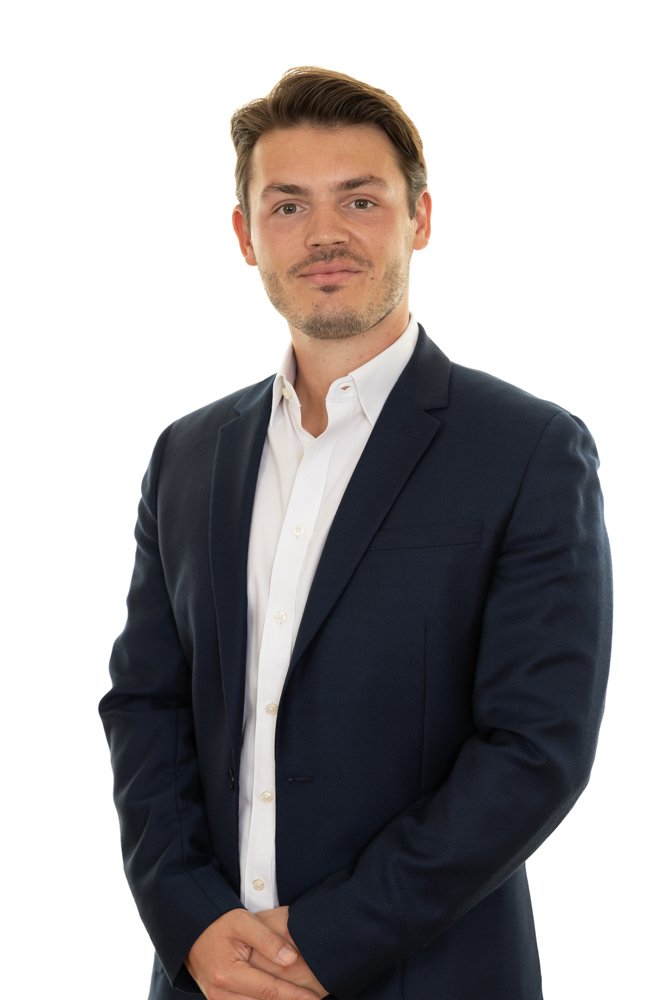
When I reviewed my work at the end of 2025, one thing stood out straight away.
Headshot photography was up by around 20 per cent.
That surprised me slightly, given how often I hear that AI headshots are about to replace professional photographers. If that were happening in any meaningful way, I’d expect demand to be dropping.
I’m seeing the opposite.
For the businesses I work with, professional headshots haven’t become less important — they’ve become more deliberate.
A Professional Headshot Is Often the First Human Interaction
In many cases, a headshot is the first time someone “meets” a person at a company.
Before the call.
Before the meeting.
Before any real interaction at all.
Professional headshots appear everywhere: company websites, LinkedIn profiles, proposals, press releases, internal directories. Long before a conversation happens, that image is already shaping an impression.
It quietly answers questions like: Who am I dealing with? Do they feel credible? Can I trust them?
That has very little to do with glamour and a lot to do with reassurance.
Headshot Photography Is Branding (Whether You Plan It or Not)
I often see headshots treated as an admin task — something to tick off a list.
But whether a business intends it or not, headshot photography plays a big role in branding.
When a set of professional headshots feels consistent and well thought out, it reflects care and coherence. When they’re mismatched, outdated, or obviously artificial, that sends a message too.
Logos and colour palettes matter, but faces do a huge amount of brand work — often more than people realise.
Honest Headshots Build More Trust Than “Perfect” Ones
The headshots I see used most — the ones that actually last — are rarely the most stylised.
They’re the ones where the person still looks like themselves.
People are very good at spotting when something feels off, even if they can’t explain why. Over-smoothed skin, strange lighting, overly generic expressions — all of that introduces a small amount of doubt.
Trust doesn’t come from perfection.
It comes from familiarity.
My aim with professional headshot photography is never to reinvent someone. It’s to show them as they are, on a good, normal day.
Why AI Headshots Haven’t Replaced Professional Photography (For Me)
AI headshot software is impressive, and I understand why it appeals. It promises speed, consistency and lower cost.
In practice, it hasn’t had any noticeable impact on my work.
One reason is that AI doesn’t understand context. It doesn’t know the company, the culture, the audience, or how different roles within the same business should be represented.
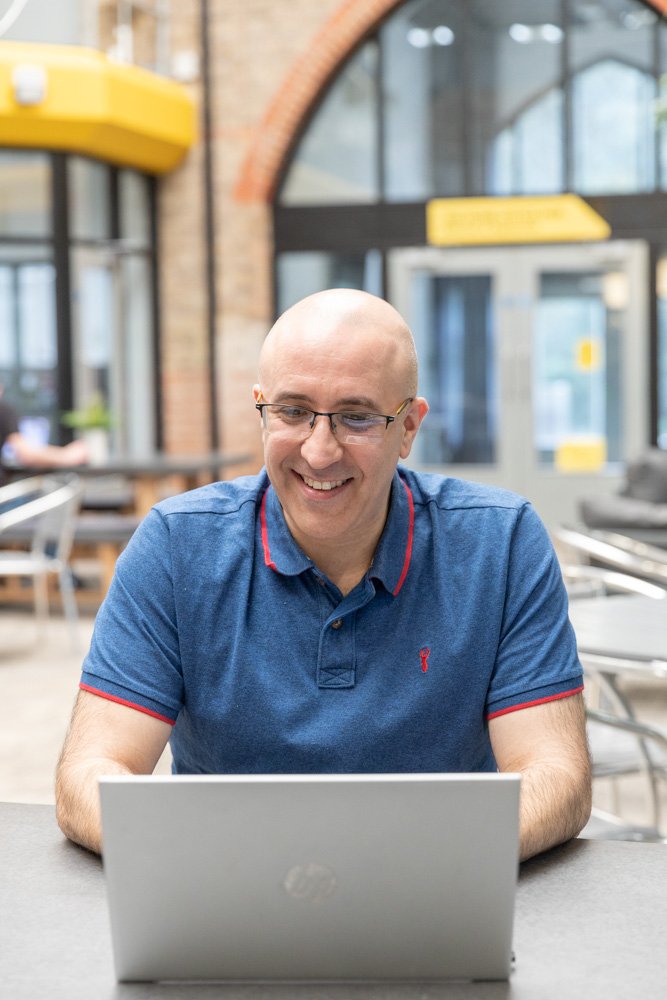
More importantly, AI-generated headshots tend to drift towards the same safe, neutral look. Clean, polished, and slightly anonymous. Even my 11 year-old son can spot an AI generated image!
That might be fine for an individual profile image. For businesses trying to present real people in a credible, trustworthy way, it often falls short.
Why Businesses Should Be Cautious About AI Headshots
The biggest issue with AI headshots isn’t that they look obviously fake.
It’s that they often look almost right.
Almost right can be worse than clearly artificial.
If someone meets you and you don’t quite match your photo, it creates a small disconnect. Multiply that across an entire team and it can quietly undermine trust.
There’s also the human side of the process. A professional headshot session isn’t just about the image at the end. It’s about putting people at ease, guiding them, and making sure they’re comfortable with how they’re being presented.
That part can’t be automated.
Why Demand for Professional Headshots Is Increasing
The increase I’ve seen in headshot photography feels like a response to a wider shift.
Businesses are more visible than ever.
People are more sceptical than ever.
In that environment, real, believable professional headshots act as quiet anchors. They help people feel they’re dealing with real humans, not placeholders or stock imagery.
That’s not something most companies want to hand over to software.

The Bottom Line
AI headshot tools will continue to improve, and they’ll have their place.
But professional headshots aren’t just images. They’re about trust, recognition and honesty.
From what I’ve seen over the past year, plenty of businesses still value that — and that’s reflected in the growing demand for headshot photography.
Get in touch and let’s talk about your new project.
5 Things Every Business Gets Wrong About Corporate Headshots (And How to Fix Them)
What I’ve learnt about people in 13+ Years of Photography
After more than a decade of commercial photography, I’ve learned something that may surprise you.
Very little of what matters on a shoot day has anything to do with cameras.
The longer you do this job, the more you realise that photography is just the visible output. The real work happens in conversations, pauses, glances, silences, and small decisions that never make it into the final frame.
Here are a few things 13+ years of commercial photography quietly teaches you about people.
Most people are nervous — even the confident ones.
The CEO who’s spoken on stage to thousands.
The senior partner who leads meetings effortlessly.
The marketing director who briefs agencies for a living.
Put them in front of a camera and something shifts.
It’s not vanity. It’s vulnerability.
Being photographed asks a simple but uncomfortable question: “Is this how I appear to other people?”
Experience teaches you that confidence doesn’t remove nerves — it just hides them better. And the quickest way to lose someone’s trust is to pretend that nervousness isn’t there.
The best shoots don’t eliminate nerves. They make space for them.
People care more about how a shoot feels than how it looks — at first.
Early in my career, I thought success was obvious: sharp images, great lighting, strong compositions.
Those things matter — but they’re not what people talk about afterwards.
They remember whether they felt rushed, whether they felt listened to, whether they felt exposed or supported, and whether the day felt stressful or calm.
You can deliver technically excellent images and still leave a bad taste if the experience was uncomfortable.
Over time, you learn that psychological safety comes before aesthetics. Without it, no amount of lighting finesse saves the image.
Hierarchy walks into the room before anyone speaks.
On a headshot session, people don’t arrive as equals.
There are unspoken dynamics: who signs off, who feels watched, who wants approval, who wants to disappear.
You can feel it immediately — even if nobody mentions it.
Thirteen years teaches you when to give someone space, when to take quiet control, when to protect a junior team member, and when to gently step around internal politics.
This isn’t about manipulation. It’s about not making someone’s workday harder than it already is.
The camera exposes energy before it exposes faces.
You can fake a smile but you can’t fake ease.
The camera has a ruthless ability to reveal tension, boredom, defensiveness, and fatigue.
What experience teaches you is this: if the energy is wrong, fix that first — not the lighting.
Although I will go and pretend to tweak the lighting to give someone a pause while we chat about the weather, traffic, kids etc.
Sometimes that means slowing down. Sometimes it means changing approach. Sometimes it means stopping entirely for a moment.
The best images usually happen after people stop trying to be “photogenic”.
Silence is often more useful than direction.
Early on, it’s tempting to fill every gap with instruction: tilt your head, chin forward, smile a bit more.
Over time, you learn restraint.
A pause can do more than a sentence. Silence gives people permission to settle into themselves.
Some of the strongest portraits I’ve taken happened when I said very little — and waited.
People want to feel seen, not styled.
Clients rarely say this out loud, but it’s there underneath the brief: “I want this to feel like me — on a good day.”
Not perfect. Not idealised. Recognisable.
Thirteen years teaches you to aim for familiar truth, not performance. That’s what people accept. That’s what they use.
When a shoot goes well, it barely feels like a shoot.
When everything works — when people feel relaxed, time behaves, decisions flow, and trust holds — the photography almost disappears.
It feels less like having photos taken and more like a well-run day that happened to include a camera.
That’s rarely accidental.
The biggest lesson: this is a people job.
After 13+ years, the cameras have changed. The lighting has evolved. The files are sharper.
But the work is the same.
Commercial photography is anticipation, empathy, judgement, and calm under pressure.
The images matter — but they’re the outcome, not the craft.
And the longer you do this, the clearer it becomes:
If you understand people, the photographs usually take care of themselves.
Get in touch and let’s talk through your next project.
Google’s AI Search is Changing the Rules — Here’s How to Keep Your Business Visible


If you’ve noticed fewer clicks from Google lately, you’re not imagining it.
Google has rolled out a new way of showing results — AI Overviews — that often give people the answer right there on the search page.
Great for the searcher.
Not so great for the businesses trying to get visitors to their website.
But here’s the thing: if you know how to adapt, you can still win in this new AI-driven search world.
What’s Changed in Google Search
Traditionally, Google would show a list of blue links. People clicked through to whichever looked most useful.
Now, with AI Overviews, Google uses artificial intelligence to summarise the answer in a neat paragraph at the top of the page. It often pulls in content from multiple websites — but only the ones it sees as authoritative, complete, and trustworthy.
This means:
If your content isn’t seen as high-quality, you won’t get featured.
If you are featured, you can still get valuable traffic and visibility.
The Key to Being Featured: Rich Content
Google’s AI doesn’t just look for text. It’s looking for rich, multi-format content that answers the question clearly and is engaging for the reader.
That means:
Clear answers to the exact questions your audience asks (Read this: They Ask You Answer by Marcus Sheridan)
High-quality images that support your message
Short videos that explain or demonstrate visually
Well-structured pages so AI can easily understand your content
Think of it like this: Google’s AI is curating the “best” answer on the internet. The more complete and visually engaging your content is, the more chance you have of being included.

How This Applies to Businesses
If your website is light on visuals or only has generic text, you’re invisible.
For example:
A business with a short “About Us” paragraph and one headshot is far less likely to get featured than one with a well-written bio, a gallery of authentic team photos, and a short intro video.
A product page with a single image and no description will lose out to one with multiple lifestyle shots, detailed specs, and a short demo clip.
How I Help Clients Stay Visible
As a commercial photographer, I work with businesses to:
Show the people behind the brand — building trust and relatability
Make products look their absolute best — so they stand out in both search and social feeds
Create visuals for websites and campaigns — that work for humans and search engines
In an AI-driven search world, if you don’t show it, you might as well not say it.

Final Thought
Google’s AI-first search is here to stay. The businesses that adapt now will be the ones that keep getting found. That means clear answers, structured pages, and — perhaps most importantly — rich visuals that make your brand impossible to ignore.
If you’re ready to make your business stand out in Google’s AI-driven results, let’s talk. I can help you create the images and video content that keep you ahead of the curve.
How to Write the Perfect Photography Brief (That Gets You the Shots You Actually Want)
When it comes to commissioning a photographer, one of the most powerful tools at your disposal isn’t a camera — it’s a great brief.
A well-written photography brief ensures everyone is aligned before the shoot starts. It clarifies expectations, avoids misunderstandings, and helps you get the images you need on time, on budget, and on-brand.
So whether you’re planning a headshot session, product shoot, or full-scale marketing campaign, here’s how to write the perfect brief.
What Is a Photography Brief?
A photography brief is a document that outlines everything a photographer needs to know to successfully plan, shoot, and deliver your images. Think of it as your visual roadmap.
A good brief doesn’t just say what you want photographed. It explains why, how, and for whom. The more relevant detail you include, the smoother your shoot will run.
What to Include in Your Brief
1. Overview & Objectives
What is the purpose of this shoot? Are you creating images for a rebrand? Launching a new product? Refreshing your website? The clearer your objectives, the easier it is to plan accordingly.
2. Target Audience
Who are these images aimed at? Internal teams? Prospective clients? Magazine readers? Understanding the end viewer helps shape the style and tone of the shoot.
3. Shot List or Must-Have Images
List out key shots you need. This might include:
Individual headshots
Team group photo
Action shots (e.g. people working)
Product close-ups
Environmental portraits
Be specific, but allow room for spontaneity. A flexible brief is a realistic one.
4. Location & Timing
Where is the shoot taking place? Indoors or outdoors? At your office or on location?
Include:
Address and access details
Dates and timings
On-site contacts
Any restrictions or challenges (e.g. lighting, noise, tight spaces)
5. Style, Look & Feel
What visual tone are you after? Clean and corporate? Warm and natural? Editorial?
Useful ways to communicate this:
Moodboards or example images
Reference previous shoots you liked (or didn’t)
Brand guidelines (if available)
6. People, Products or Props
List everyone and everything involved:
Names and roles of people to be photographed
Products or props that need to appear
Any styling, hair, or makeup requirements
Will someone be on hand to assist/direct during the shoot?
7. Deliverables & Usage
What do you need at the end of the process?
Quantity of final images
Image formats (JPG, PNG, TIFF, etc.)
Specific crop ratios or resolutions
Where will the images be used (web, social, print, billboard)?
Clarifying this helps your photographer plan how to shoot (e.g. horizontal vs vertical, negative space for text).
8. Timelines & Budget
What’s your deadline for delivery?
Do you need a same-day preview or express turnaround?
What is your budget? If you’re unsure, share the scope and ask for a quote.
What’s Realistic to Expect
Even the best briefs can’t control everything. Be prepared to adapt on the day:
People might be late or unavailable
Weather can shift if shooting outdoors
A location might look different to what you imagined
That’s OK. A professional photographer will improvise while staying true to your goals. Flexibility goes a long way.
Also be realistic with timelines. If you need a hundred edited images by tomorrow, your brief will need to reflect that with budget and prep.
Pro Tips from a Photographer
Having worked on hundreds of shoots, the best briefs I receive always include:
A clear purpose for the shoot
A sense of visual tone or brand feel
A realistic shot list with priorities
The hardest briefs? The ones that say "Just do what you think" with no context. Trust your photographer’s creative input — but give us something to build on.
Need a Template?
If you want to take the guesswork out, I’ve created a downloadable photography brief template that you can adapt for your own projects. [Drop me a message to get a copy or click here to download it].
Final Thoughts
The best photography isn’t created in the camera — it’s created through collaboration.
And a strong brief is where that collaboration begins.
Whether you're planning your first shoot or your fiftieth, a little extra prep goes a long way in getting the images you really want.
Have a shoot coming up? Let’s talk. I’d love to help bring your vision to life.
Tailoring, Texture & Timeless Style – Behind the Lens

Commercial Fashion Photography in Herts, Bucks & London
There’s something undeniably powerful about a well-cut coat or a sharply tailored suit. It’s not just about style — it’s about confidence, craftsmanship, and the story a garment tells the moment someone puts it on.
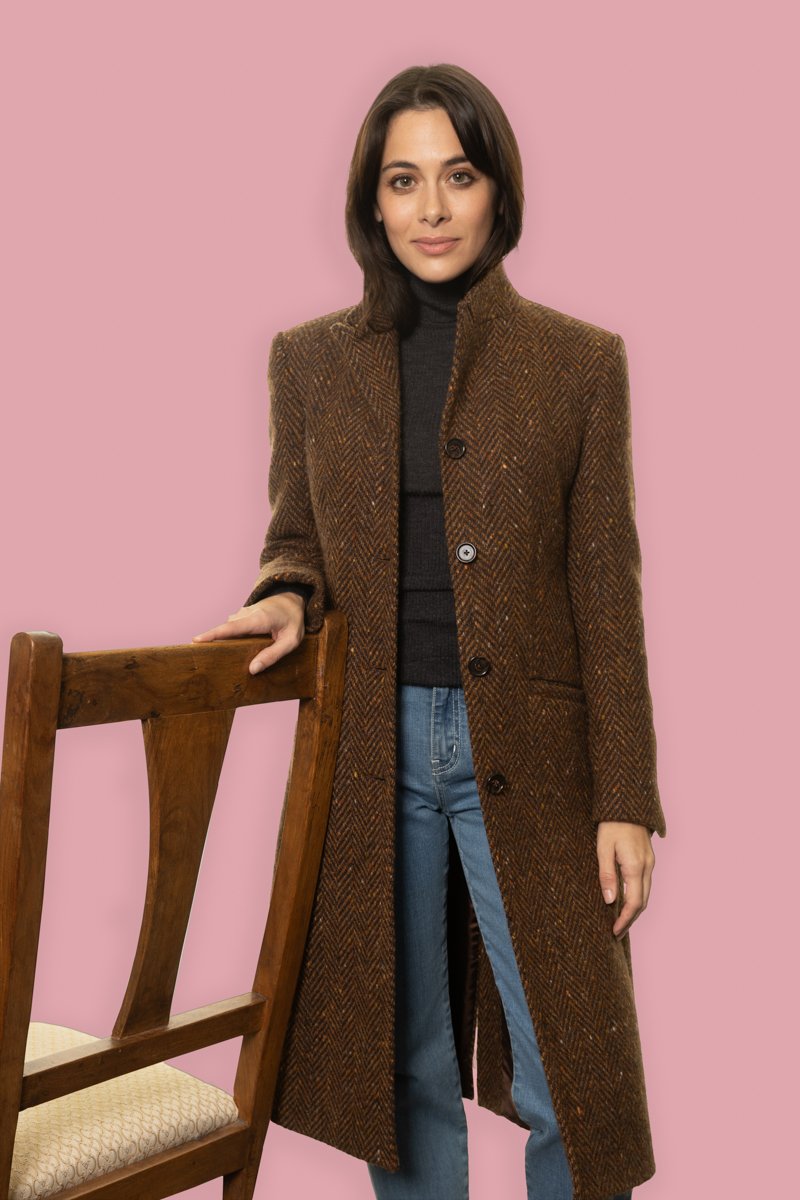
I recently had the pleasure of photographing a large range of stylish clothing produced by William Young Tailors in Berkhamsted.
From the soft lines of a blush wool coat to the classic structure of a herringbone overcoat, and the personality-packed details of a sharp grey suit with contrast elbow patches — each look brought something unique to the lens.
Elevating Fabric and Fit Through Photography
My role as a commercial photographer goes far beyond just taking a picture. It’s about bringing the garment to life:
Capturing true colour and texture
Highlighting fit and movement
Conveying mood and lifestyle
Creating clean, crisp imagery that works online and in print
The goal? To help fashion brands tell their story, stand out, and sell with confidence.
Why Quality Imagery Matters
In a saturated online world, first impressions matter. Professional fashion photography ensures your products look their best — helping customers visualise quality, detail and value. Whether you're launching a new collection, updating your website, or creating content for social, the right imagery has the power to elevate your brand.
Let’s Work Together
If you're a designer, boutique or fashion brand based in Hertfordshire, Buckinghamshire, or London, and looking for striking commercial photography that captures your brand essence — get in touch. I offer both studio-based shoots and a flexible mobile setup, making it easy to bring your vision to life.

Capturing the Vision: The Joy of Collaborating with New Businesses


One of the most rewarding aspects of being a commercial photographer is working with passionate entrepreneurs who are bringing their businesses to life. Whether it’s a start-up, a rebrand, or a creative project that’s been years in the making, there’s a real energy that comes from helping someone articulate their vision through photography.
Recently, I had the pleasure of working with Federica from Graphic Design FM – a talented graphic designer with a clear sense of style, purpose, and personality in her brand. From our first conversation, it was obvious that this wasn’t just about creating beautiful images – it was about capturing the essence of what her brand stands for.
Federica has a strong design identity, and as someone who lives and breathes visual storytelling, she knew exactly what she wanted from her shoot. That kind of clarity is incredibly valuable – but so is the ability to collaborate and translate that vision into something real and tangible.
As with any shoot, my process starts with listening – really understanding what a client wants to say with their images. We talked about her goals, her audience, and how she wanted to be seen in the market. Then we planned the session around that – from locations and styling to the mood, lighting, and details that would help reinforce her brand.
During the shoot, it was a real partnership. We bounced ideas back and forth, adjusted as we went, and made sure that every frame aligned with her aesthetic. That kind of creative dialogue is what elevates a shoot from just a collection of pictures to something with real meaning and longevity.
What I love about working with people like Federica is that it’s never just about the ‘now’ – it’s about laying a visual foundation that supports their journey as their business grows and evolves.
In the end, the result wasn’t just a portfolio of images – it was a set of visual assets that Federica could confidently use across her website, social media, and client materials, knowing they reflected the professionalism, creativity, and personality of her brand.
If you’re a business owner – new or established – and you want your photography to truly reflect your story and values, let’s talk. Great photography doesn’t just look good – it connects, converts, and communicates.
And it all starts with collaboration.
The Power of Interior Photography – Why It’s Worth Investing


Why Professional Photography Is Essential for Your Space
I recently had the pleasure of photographing a beautifully designed pub in Welwyn, Hertfordshire — and it reminded me just how important interior photography is when it comes to promoting your business online.
Whether you're running a stylish café in St Albans, a boutique hotel in Bedfordshire, a retail shop in Buckinghamshire, or a bar in North London, your interior space is part of your brand. And in a digital-first world, it needs to be shown at its absolute best.
What Is Interior Photography — and Why Does It Matter?
Interior photography isn’t just about capturing a room — it’s about showcasing the mood, the lighting, the atmosphere, and the design details that make your space unique. It creates a visual experience that draws people in and builds trust before they’ve even visited in person.
Whether you’re based in Watford, Berkhamsted, Luton, Milton Keynes or St Albans, strong interior imagery helps your business stand out in a crowded online marketplace.
Benefits of Professional Interior Photography for Local Businesses
📸 1. Attract More Local Customers
Most people “Google before they go.” When your images show a welcoming, stylish, and well-lit space, you're more likely to attract new footfall — especially from people searching for venues in Herts, Beds, Bucks or London.
🌐 2. Upgrade Your Website and Google Listing
Good photography improves your website instantly. It also boosts your local SEO by making your Google Business Profile more appealing. Whether you're a restaurant in Hemel Hempstead or a spa in High Wycombe, great visuals can increase click-through rates and bookings.
📱 3. Stand Out on Social Media
From Instagram to Facebook, social media thrives on visuals. Beautiful interior shots help tell your brand story and generate engagement. If you’re running a venue or store in Tring, Amersham, or Harrow, photography can bring your brand to life online.
💼 4. Improve Booking Rates
Whether you're trying to secure event bookings, restaurant reservations, or retail foot traffic, customers are more likely to commit when they can clearly see and connect with your space.
🛠 5. Showcase Your Investment
If you’ve invested in a refurbishment or spent time designing your interior, photography ensures that effort is captured and leveraged across your marketing channels — from brochures to email campaigns and digital ads.
What Makes a Great Interior Photo?
As a commercial photographer serving Herts, Beds, Bucks and London, I focus on:
Natural light and mood
Clean, thoughtful compositions
Angles that show off the space’s structure and personality
Retouching that enhances without over-editing
Detail shots that reflect your brand
Interior Photography Services Near You
I work with a wide range of businesses across the region, including:
Restaurants and pubs in Hertfordshire and London
Retail spaces in Buckinghamshire and Bedfordshire
Boutique hotels and salons across the Home Counties
Offices, co-working spaces, and showrooms needing professional imagery
Whether you're located in Berkhamsted, Hitchin, Aylesbury, Leighton Buzzard, or Finchley, I offer tailored shoots to help you get the most out of your space visually — no job too big or too small.
Let Your Space Work Harder For You
In today’s competitive market, visuals make all the difference. If you're looking for interior photography in Hertfordshire, Bedfordshire, Buckinghamshire or London, I’d love to help bring your space to life.
📩 Ready to elevate your business imagery? Get in touch to book your shoot.
Why Great Product Photography Isn’t Optional Anymore — It’s Essential


In today’s image-driven digital economy, your products aren’t just sold on shelves — they’re sold on screens. And the first impression your customers get? It comes from your photos. Whether you’re listing on Amazon, showcasing on your website, or launching a campaign on social media, your product photography speaks before you do.
Here’s why professional product photography is worth the investment:
1. It Builds Trust
High-quality, clear, and well-lit images immediately signal professionalism. Customers associate clean product photography with reliable service, and poor images with cheap or untrustworthy brands — even if the product quality is great.
2. It Increases Conversions
Countless studies show that better product images lead to more sales. Professional photos can increase click-through rates, reduce return rates, and boost the time users spend engaging with your products.
3. It Reflects Your Brand
Your product images should be consistent with your brand identity — whether that’s clean and corporate, fun and vibrant, or sleek and minimalist. A professional photographer understands how to style and light your products to align with your brand values.
4. It Gives You Flexibility
Professional shoots often provide high-resolution images that can be used across multiple platforms: your website, social media, brochures, digital ads, and more. That’s a single investment with multi-channel return.
5. It Saves You Time
DIY product photography often ends in frustration and mediocre results. Professional photographers handle lighting, styling, editing, and retouching — freeing you to focus on running your business.
No Job Too Big or Small
From a single item to a full product catalogue, every item you sell deserves to look its best. Whether you're launching a new product line or refreshing your online store, I offer tailored solutions to meet your needs — quickly and cost-effectively.